
Restoring Native Grasslands
Grassland Restoration Incentive Program
In partnership with Quail Forever and Texas Parks & Wildlife, Walker Ranch implements GRIP—a science-led approach combining habitat restoration with measurable conservation outcomes.
Native Perennial Grasses
Higher-quality forage for cattle while building deep soil carbon reserves
Prescribed Fire Management
Eliminate invasive brush, stimulate fresh growth cattle and wildlife prefer
Rotational Cattle Grazing
The restoration tool — cattle build soil, cycle nutrients, and increase forage density
Strategic Land Clearing
143+ acres completed, 115 acres planned — every acre increases carrying capacity
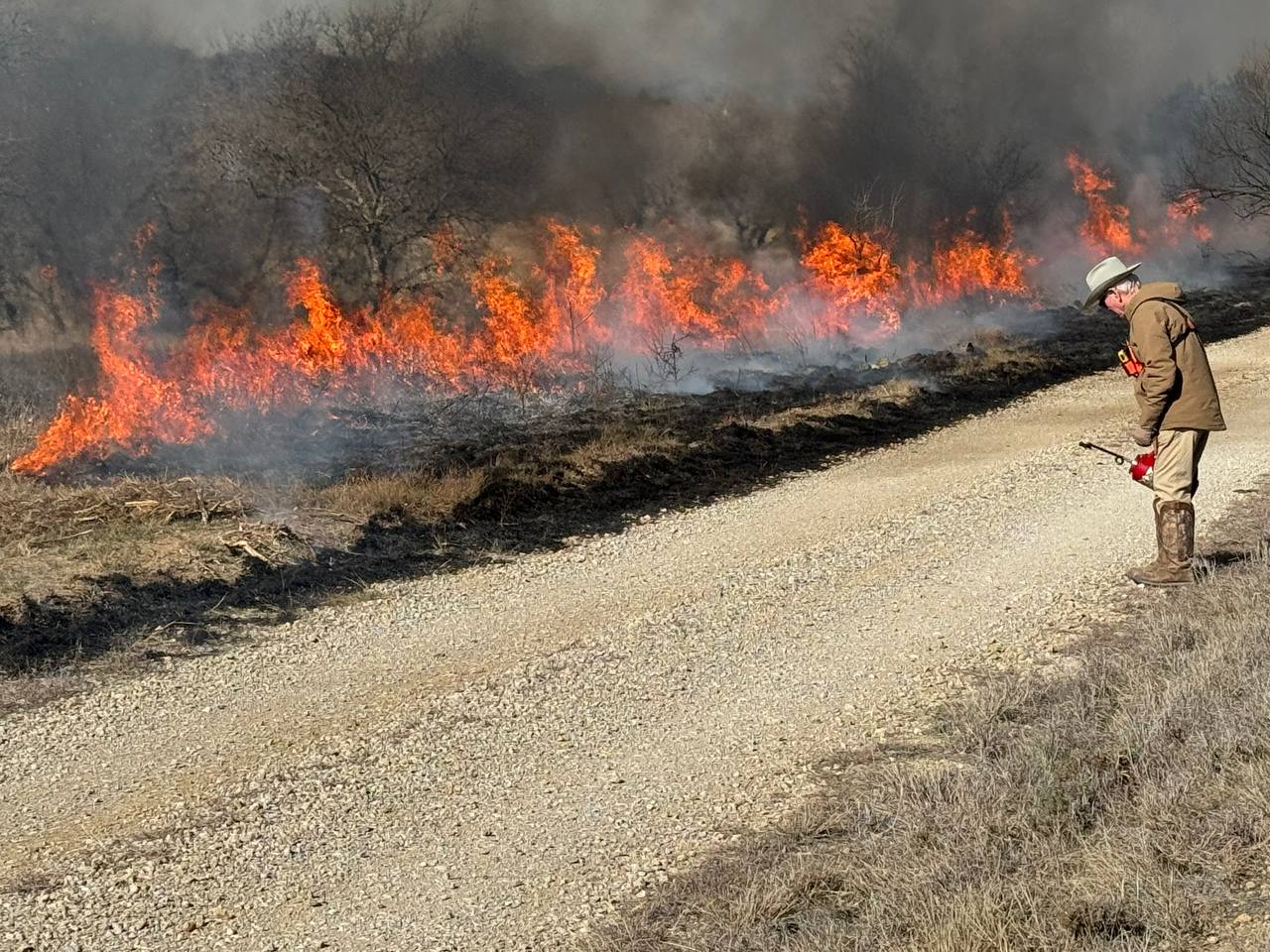
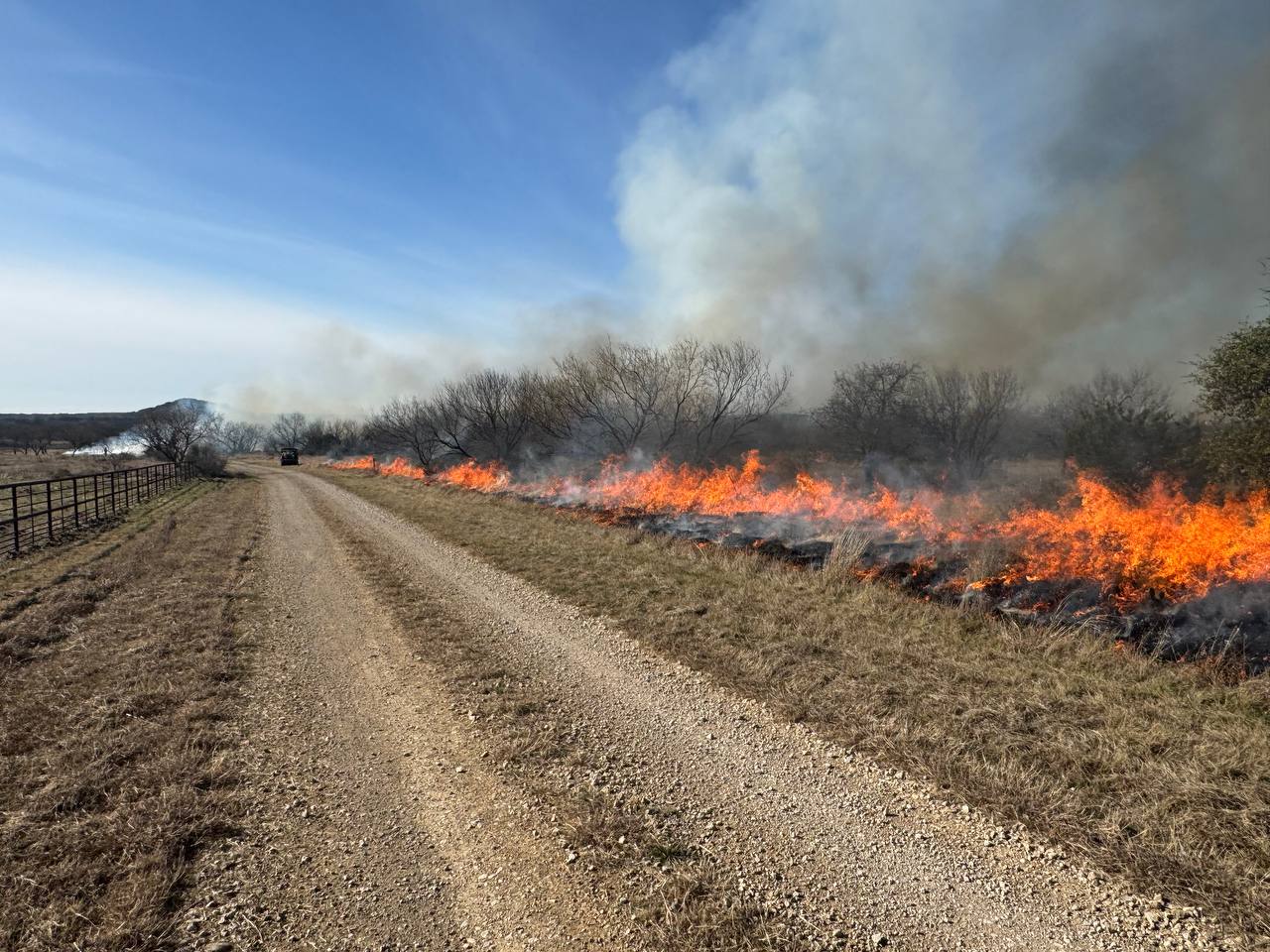
The Ranch in Photos
From energy production to ecosystem restoration — 5,000 acres in transformation.
Cattle, Biodiversity & Carbon
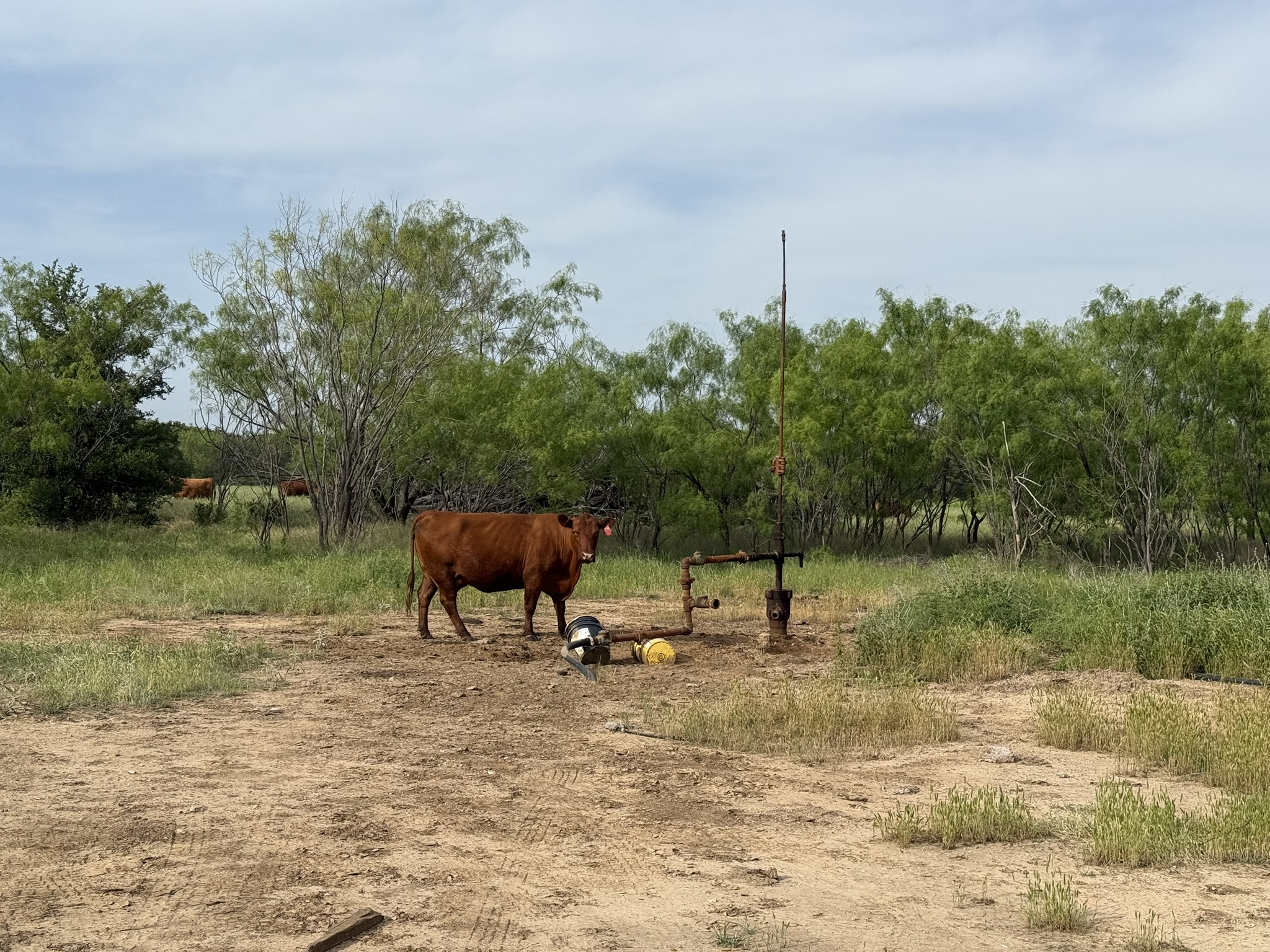
At Walker Ranch, cattle operations and wildlife management aren't competing priorities — they're the same strategy. Rotational grazing creates the mosaic of tall grass, short grass, and open ground that quail and pollinators need, while prescribed burns stimulate the fresh growth that cattle prefer. Better habitat means better grasslands means better forage.
Rotational grazing builds quail nesting structure & cattle forage simultaneously
Prescribed burns promote wildlife corridors & fresh high-protein regrowth
Native forbs support pollinators while diversifying the forage base
Healthier ecosystems reduce input costs — fewer supplements, less erosion
The Carbon Beneath the Grass
Grasslands store roughly one-third of global terrestrial carbon stocks — most of it underground in deep root systems that extend three feet or more into the soil. Unlike forests, where carbon is stored above ground and vulnerable to wildfire, grassland carbon is sequestered in the soil itself, making it one of the most durable carbon sinks on the planet.
Yet native grasslands are among the most threatened ecosystems in North America, disappearing faster than rainforests. Every acre restored at Walker Ranch rebuilds this underground carbon bank while simultaneously improving the forage base that supports cattle operations. Rotational grazing accelerates the cycle — cattle stimulate root growth, roots feed soil biology, and healthier soils grow more grass.
Our Partners
Quail Forever
Leads habitat strategy and implementation — designing burn plans, grazing rotations, and native seed mixes that benefit both quail populations and cattle forage quality. Their science-driven approach proves that managing for wildlife and managing for cattle are the same thing done well.
Key Lead: Taylor Daily, Coordinating Wildlife Biologist
Texas Parks & Wildlife
Administers GRIP funding, provides regulatory oversight, and ensures landscape-scale conservation outcomes. Their support enables the integration of cattle grazing, habitat restoration, and carbon sequestration across the property.
Focus: Statewide habitat corridors & ecosystem resilience